

Key takeaways
- A restaurant CRM organizes consented customer information and interaction history so communication can be more relevant and measurable.
- Loyalty programs work best when the reward is simple, attainable and connected to behavior the restaurant can support profitably.
- Retention should be measured through repeat visits, purchase frequency, recency and contribution, not only message opens or points issued.
Restaurants often collect customer details across reservations, online orders, feedback forms and loyalty sign-ups, then leave the information in separate systems. A restaurant CRM turns those interactions into an organized customer record that can support service and retention.
The goal is not to send more promotions. It is to understand who has permission to receive communication, what relationship they have with the restaurant and which message or reward is genuinely useful. Irrelevant campaigns train customers to ignore the brand.
Design loyalty around a reason to return
Start with one clear behavior and one sustainable reward. Complicated points systems create administration long before they create loyalty.
Explore CRM featuresCustomer data is a responsibility. Collect only what the restaurant can use lawfully and securely, explain why it is needed and make communication preferences easy to manage.
Why repeat visits deserve a separate strategy
A first visit proves that a customer found the restaurant. A repeat visit suggests the experience created enough value to return. Retention programs help the restaurant identify and support that second decision rather than relying entirely on new-customer promotion.
Not every customer should receive the same incentive. A frequent lunch guest, a family booking birthdays and a delivery customer who has been inactive for months represent different needs. Segmentation helps the restaurant avoid generic discounting. The objective is to recognize meaningful patterns without assuming that every past purchase predicts the next one.
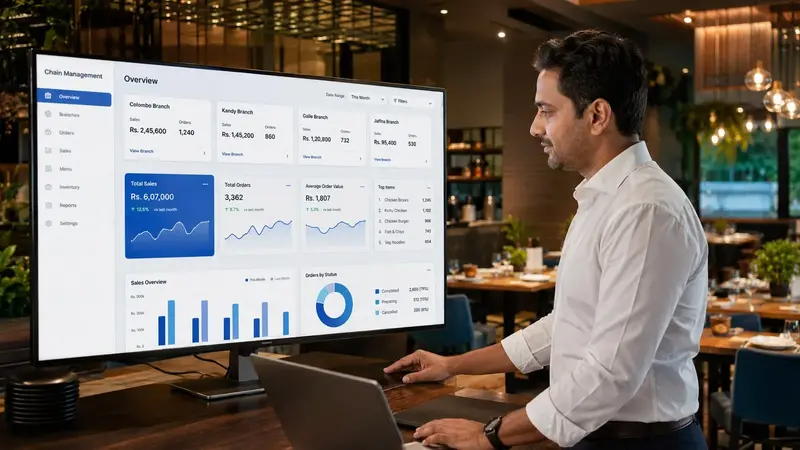
Which restaurant customer data is actually useful
Useful data may include contact permission, visit recency, order frequency, preferred location, service channel, purchase categories, reservation history, feedback and loyalty activity. Restaurants should avoid collecting sensitive or unnecessary information simply because a form allows it.
Data quality matters more than volume. Duplicate profiles, outdated numbers and inconsistent consent records can make campaigns ineffective or risky. Define how records are created, merged, corrected and removed before scaling communication. Establish a retention period and a clear process for customers who ask to change their preferences or remove their information.
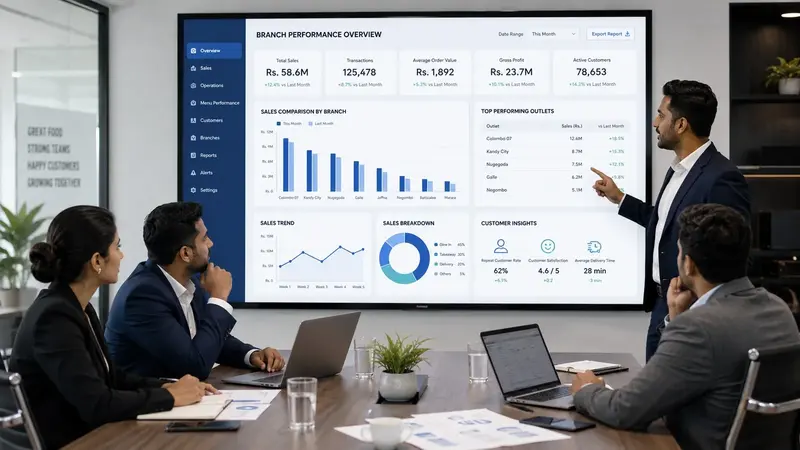
Send relevant restaurant campaigns, not constant discounts
Campaigns should have a clear audience, offer, timing and measurement plan. A weekday lunch message may suit nearby office customers, while a reservation reminder or birthday benefit serves a different purpose. Frequency limits protect the customer relationship.
Measure more than delivery or click rates. Connect campaigns with bookings, orders, redemption, repeat behavior and margin where possible. A promotion that creates activity but destroys contribution is not a successful retention campaign.
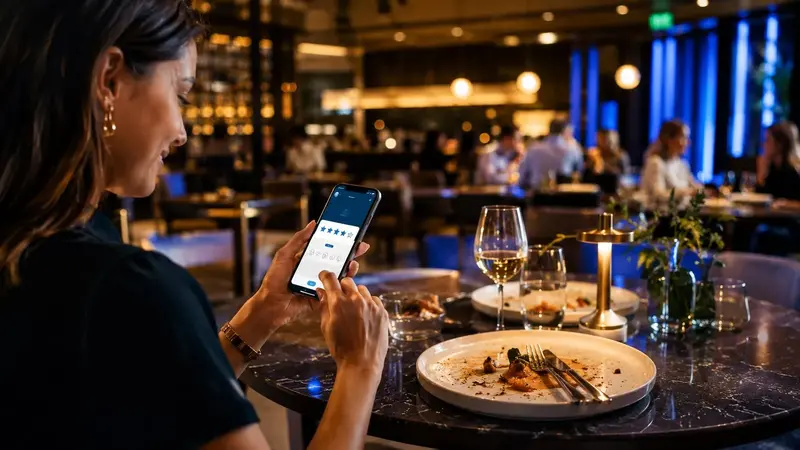
Choose loyalty rewards customers can understand
Stamp cards work because progress is visible and the reward is easy to explain. Points can support more flexibility, but complicated conversion rules reduce trust. Vouchers and member benefits can also reward occasions, referrals or high-value behavior without permanent discounting.
Set rules for expiry, exclusions, fraud prevention, branch use and refunds before launch. Staff must understand how rewards are earned and redeemed, otherwise the program creates friction at the exact moment it should create goodwill.
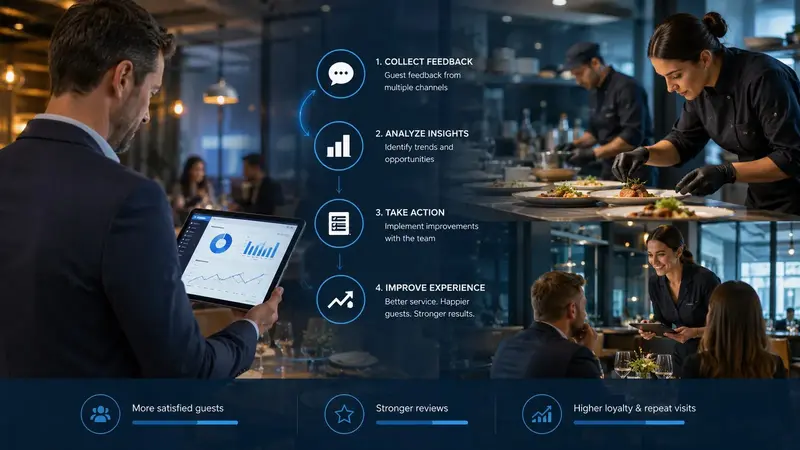
How OrderNow supports customer engagement
OrderNow can connect customer records with supported ordering, reservation, feedback, loyalty and campaign workflows. This gives operators a more consistent view of interactions while keeping access and communication rules under management control.
Explore the CRM, loyalty and marketing capabilities or create an account to plan a retention workflow around your customer journey.
Restaurant CRM and loyalty checklist
- Is customer consent recorded clearly for each communication channel?
- Can duplicate profiles and outdated contact details be corrected safely?
- Does each campaign target a defined customer group and business objective?
- Are loyalty rewards simple, attainable and financially sustainable?
- Can the restaurant measure repeat visits and redemption rather than only messages sent?
Use relevant data and simple rewards to support repeat business.
OrderNow can connect customer interactions, loyalty activity, feedback and campaigns so restaurants can build retention around evidence rather than mass promotion.
Start with OrderNowExplore customer featuresFrequently asked questions
What is a restaurant CRM?
A restaurant CRM organizes customer contact permissions and interaction history from supported orders, reservations, feedback and loyalty activity for service and retention use.
Is a discount program the same as loyalty?
No. Discounts may trigger a transaction, while loyalty is the broader relationship that makes a customer choose the restaurant again. Rewards should support that relationship without damaging margin.
What should restaurants measure in a loyalty program?
Useful measures include enrolment, active members, redemption, repeat-visit frequency, recency, average contribution and the cost of rewards.


