Own the entry point
Send website, social and repeat customers to your direct menu.

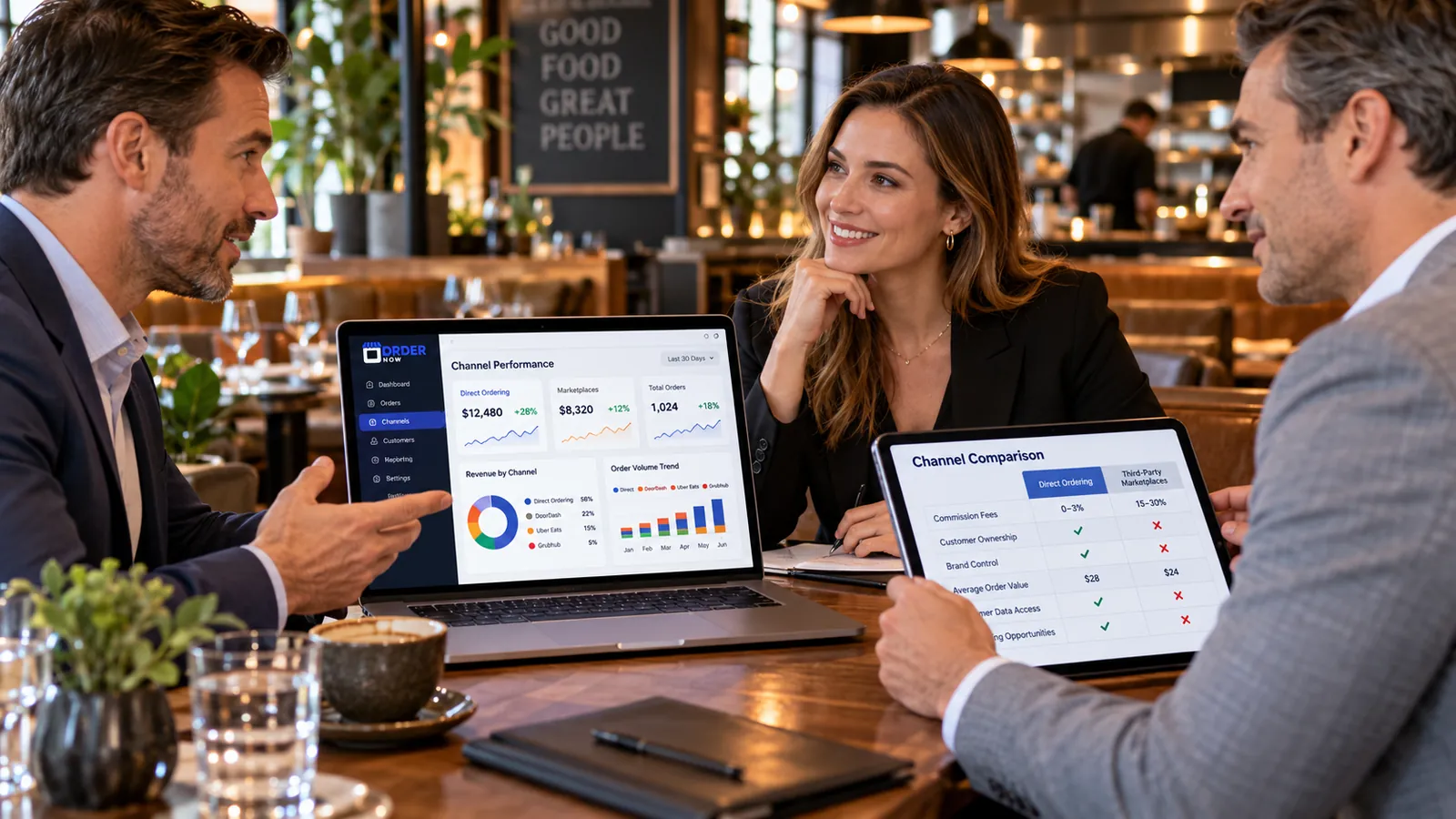
Third-party marketplaces can be useful for discovery and incremental demand, but they should not be the only digital relationship a restaurant has with its customers. When every online order is mediated by another platform, the restaurant may have less control over the guest experience, less flexibility in how the menu is presented and a cost structure tied directly to order value.
OrderNow gives restaurants a first-party digital ordering option with 0% OrderNow order commission. Instead of taking a percentage of each order, OrderNow uses subscription pricing based on the selected plan and requirements.
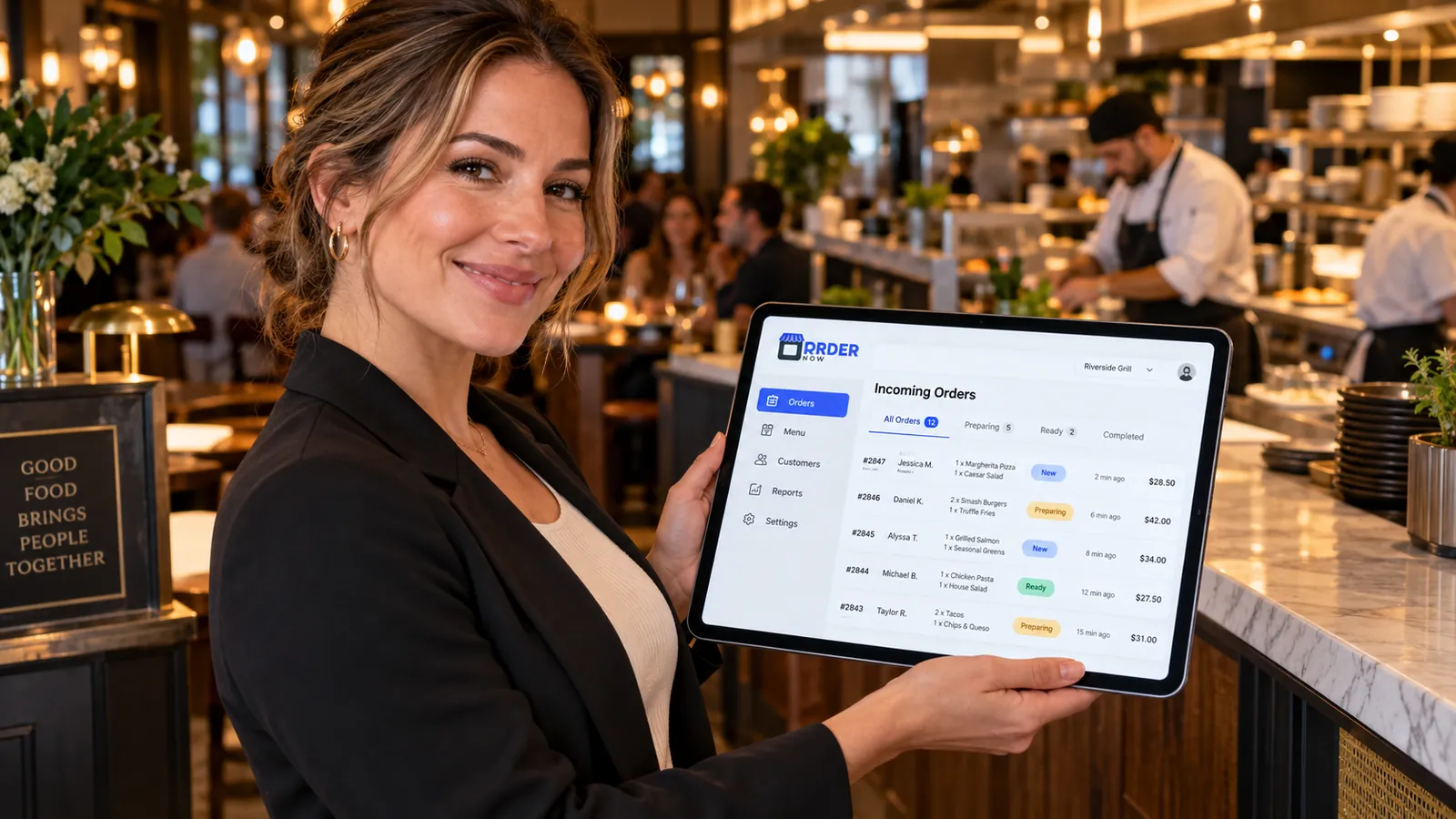
Commission-free restaurant ordering means the restaurant software provider does not take a percentage of the order value as its fee for processing the restaurant's direct order. With OrderNow, the restaurant pays the applicable subscription charge rather than paying OrderNow a per-order percentage commission. The phrase needs precision. Commission-free software does not mean the entire transaction is free. A payment processor may charge card-processing fees. A delivery provider may charge for delivery. A restaurant may spend money on advertising, loyalty incentives or operational labor.
Keep the process understandable for guests and staff while carrying the details the operation actually needs.
Send website, social and repeat customers to your direct menu.
Let guests choose items and modifiers in the browser without an app.
Move the order into POS and kitchen workflows instead of retyping it.
Compare direct-order contribution, service impact and repeat demand.
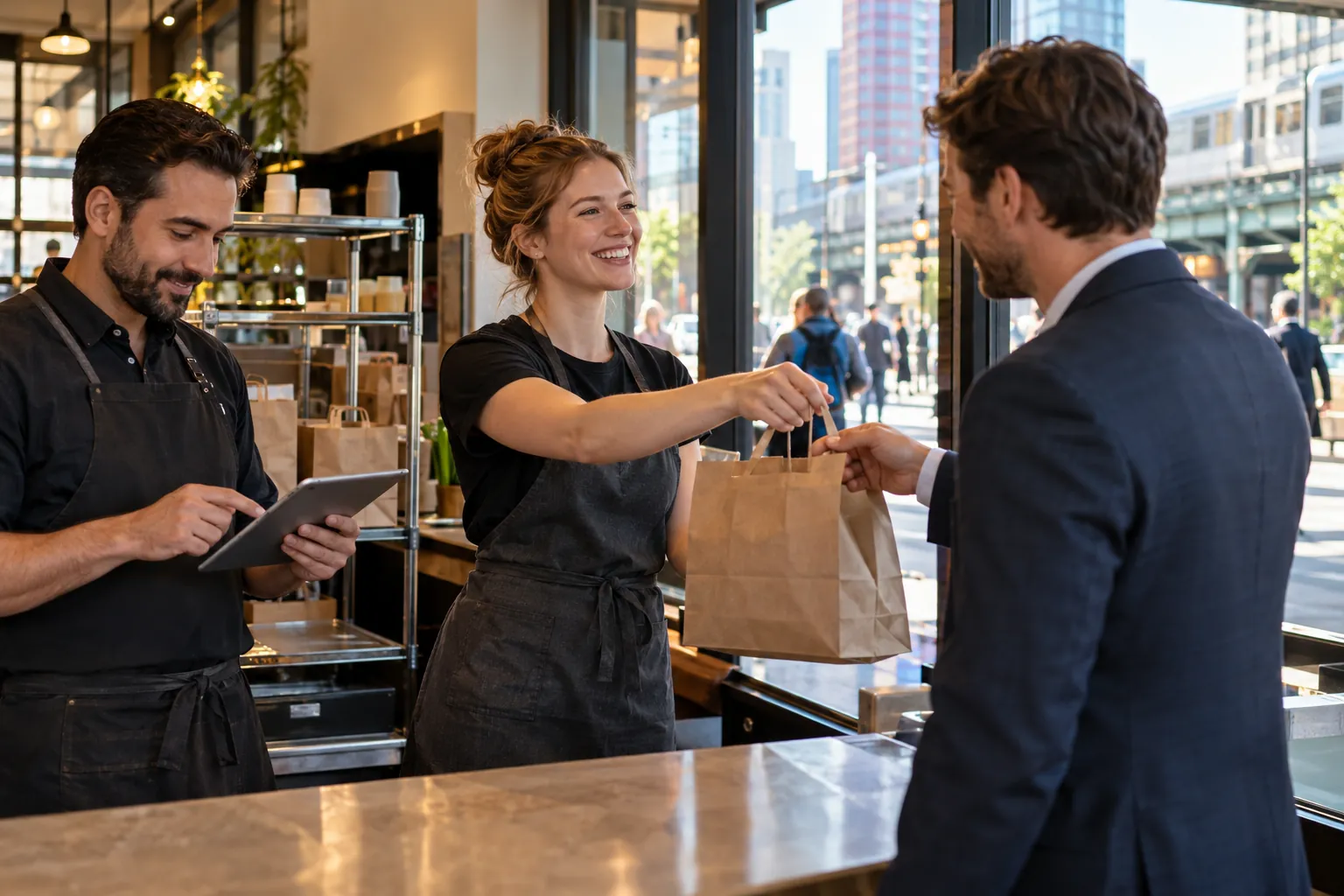
OrderNow is modular. The strongest setup is not the one with the most features switched on. It is the one that removes unnecessary handoffs and keeps the team clear about what happens next.
Restaurants often treat all digital ordering as one category, but the economics and customer relationship can be very different.
Percentage-based fees scale with order value. A flat software subscription behaves differently.
A restaurant's direct ordering experience should feel like the restaurant, not like a generic detour.
A direct-ordering channel should not create a new manual workload.
The direct channel becomes more valuable when customers remember to use it again.
Before changing channel strategy, calculate the numbers with your own agreements.
Compare your current direct-order path with the OrderNow flow using your real menu and actual channel costs. Include subscription, payment, fulfillment and promotion costs in the comparison.
Direct ordering is valuable when it gives the restaurant more control without creating manual work. Keep the menu accurate, connect the order to operations and compare channel economics using real numbers.
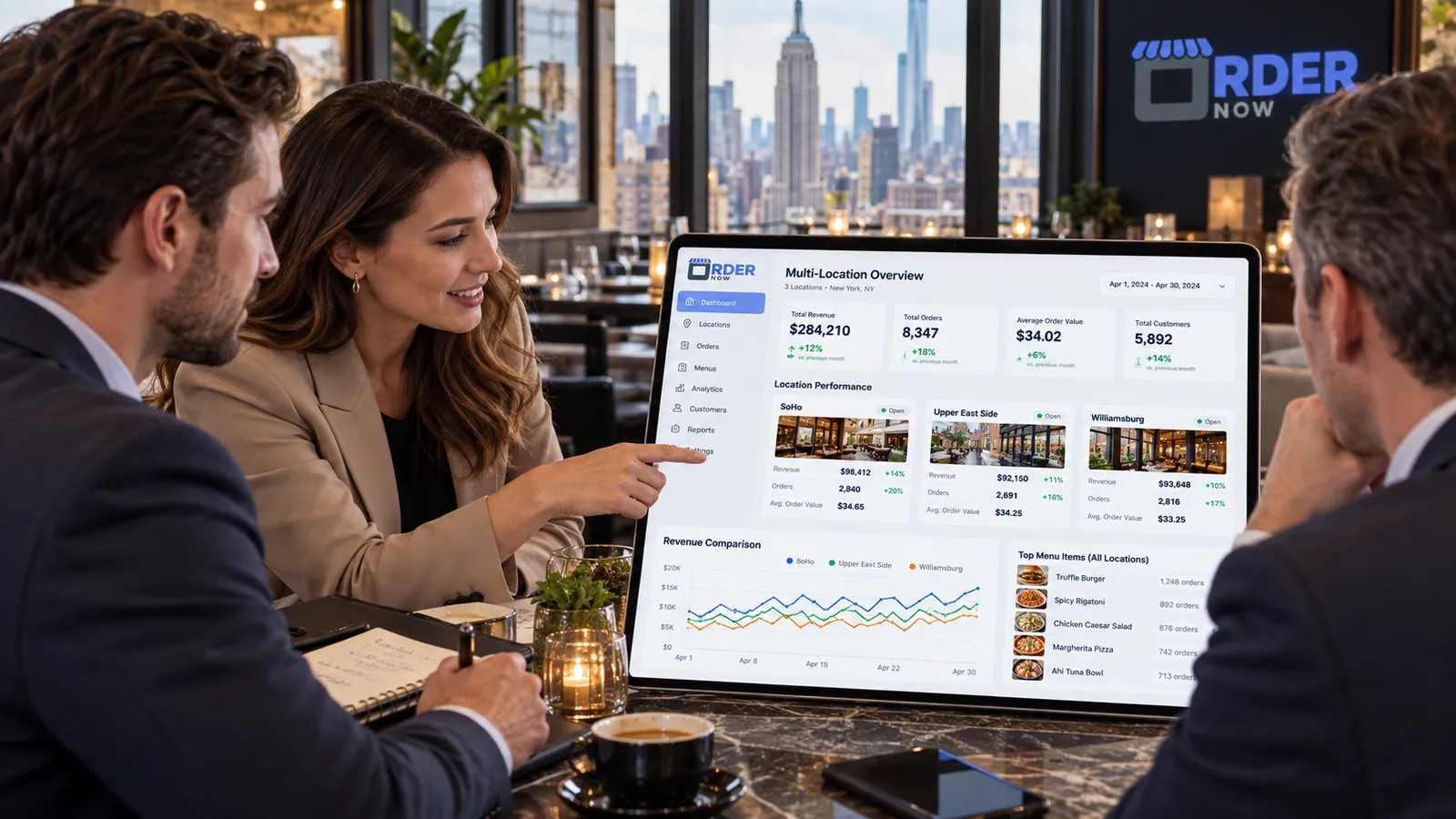
Different restaurant formats need different combinations of guest experience, POS, kitchen, inventory and management controls.
Give people who already know the restaurant an easy direct path.
Convert owned attention without forcing a marketplace detour.
Keep the interaction direct while connecting it to operations.
Use a first-party ordering route with a clear handoff process.
These answers stay intentionally concise. Product configuration can vary by plan, restaurant type and implementation.
Yes. OrderNow does not take a percentage commission from orders processed through its platform. Restaurants pay according to the applicable subscription plan. External providers may charge their own processing, delivery or service fees.
It is a direct ordering model where the software provider does not take a percentage of the restaurant's order value as its software fee. The restaurant may still have other transaction or fulfillment costs.
No. Restaurants can keep marketplaces that create enough value. Direct ordering gives the business another first-party channel for guests who already know or find the restaurant directly.
A restaurant can link its OrderNow digital menu and ordering experience from its website or other owned channels. The guest opens the web-based experience in a browser.
No. The standard guest experience is web-based and does not require a separate app download.
Share your business type, current setup and the operational problem you want to solve. The demo should start with that workflow instead of showing every module.