Set the standard
Head office defines approved menu, brand and reporting rules.

A restaurant franchise needs consistency without pretending every location is identical.
The franchisor wants approved menus, brand standards, reporting definitions and operational controls. The franchisee needs enough flexibility to run a real restaurant in a local market.
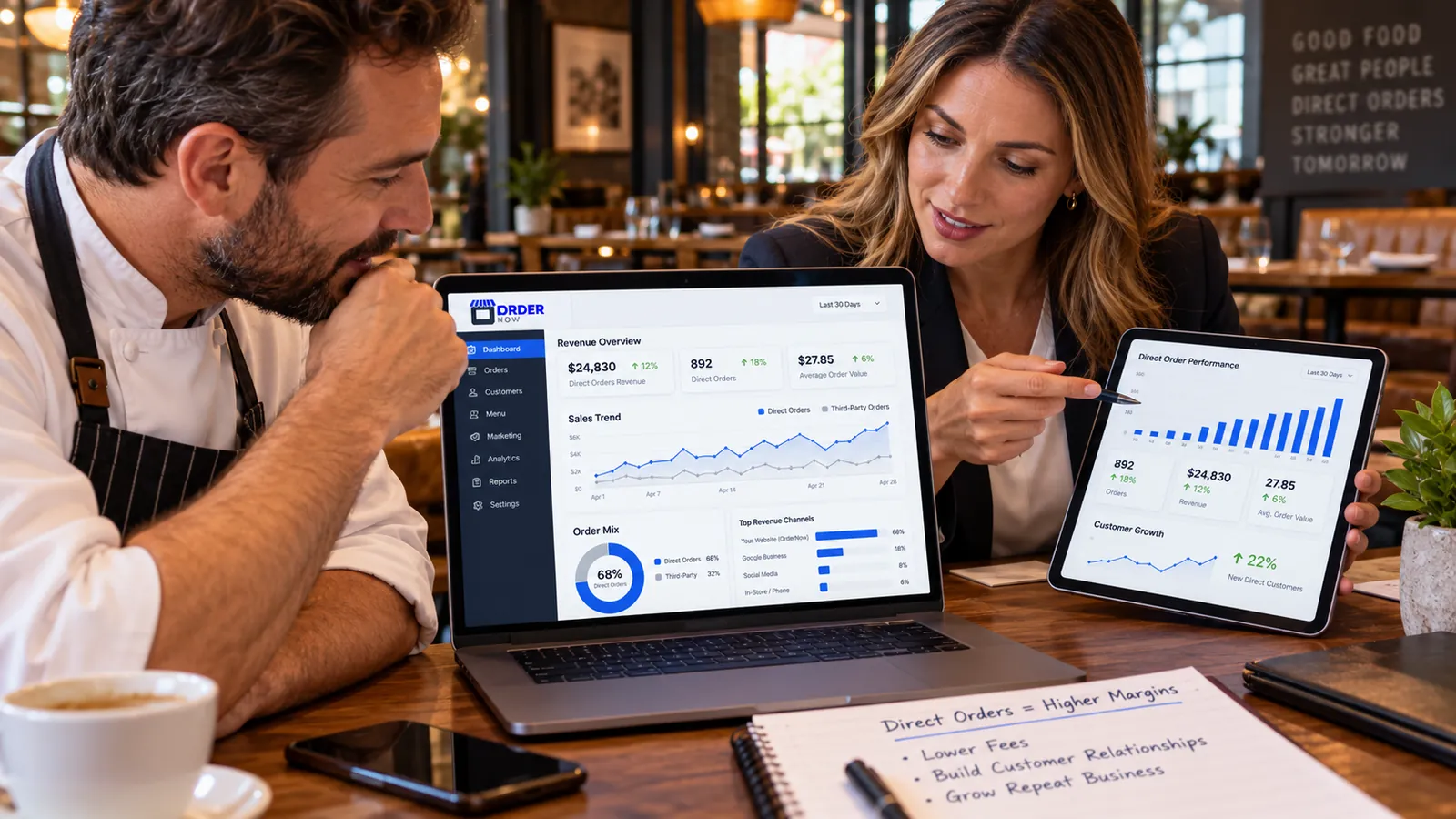
Restaurant franchise management software helps a franchisor and its operators coordinate shared menus, restaurant workflows, permissions and performance data across multiple independently operated or centrally managed locations. The exact responsibilities vary by franchise model.
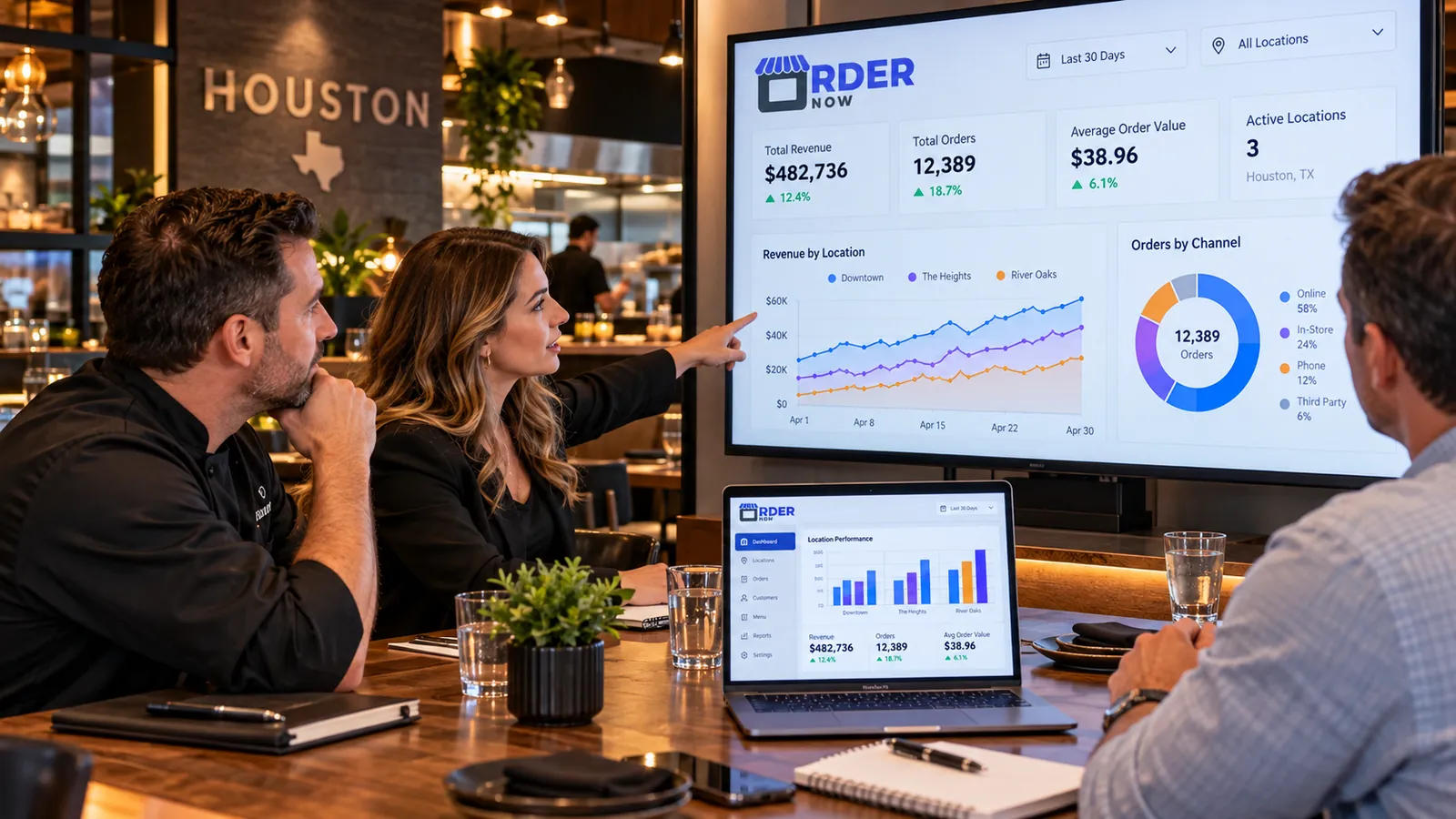
Keep the process understandable for guests and staff while carrying the details the operation actually needs.
Head office defines approved menu, brand and reporting rules.
Franchisees and managers receive only the controls their operation needs.
Each outlet handles POS, kitchen, inventory and staff workflows.
Leadership reviews consistent outlet data without removing local context.

OrderNow is modular. The strongest setup is not the one with the most features switched on. It is the one that removes unnecessary handoffs and keeps the team clear about what happens next.
Not every setting deserves the same governance.
When every outlet edits its menu independently, inconsistencies multiply.
Central control becomes inefficient if a restaurant must call head office whenever an ingredient sells out.
User permissions determine who can change important business information.
A franchise dashboard can compare locations, but operators should use comparisons carefully.
Rolling out a new platform to dozens of locations simultaneously can overwhelm support and training teams.
Test a master-menu change, a local sold-out item, three user roles and a new-location rollout. Confirm exactly what head office and local teams can see and change.
Franchise software should make governance explicit. Head office controls the standards that must stay consistent while local teams retain the approved tools they need to run service every day.
Different restaurant formats need different combinations of guest experience, POS, kitchen, inventory and management controls.
Use the local restaurant tools while receiving approved brand menu and configuration from the franchisor.
Manage several owned outlets with location-level staff and reporting while remaining inside brand standards.
Use regional roles and group reporting to support a larger operator structure.
Maintain shared standards while separating permissions and reporting access according to ownership.
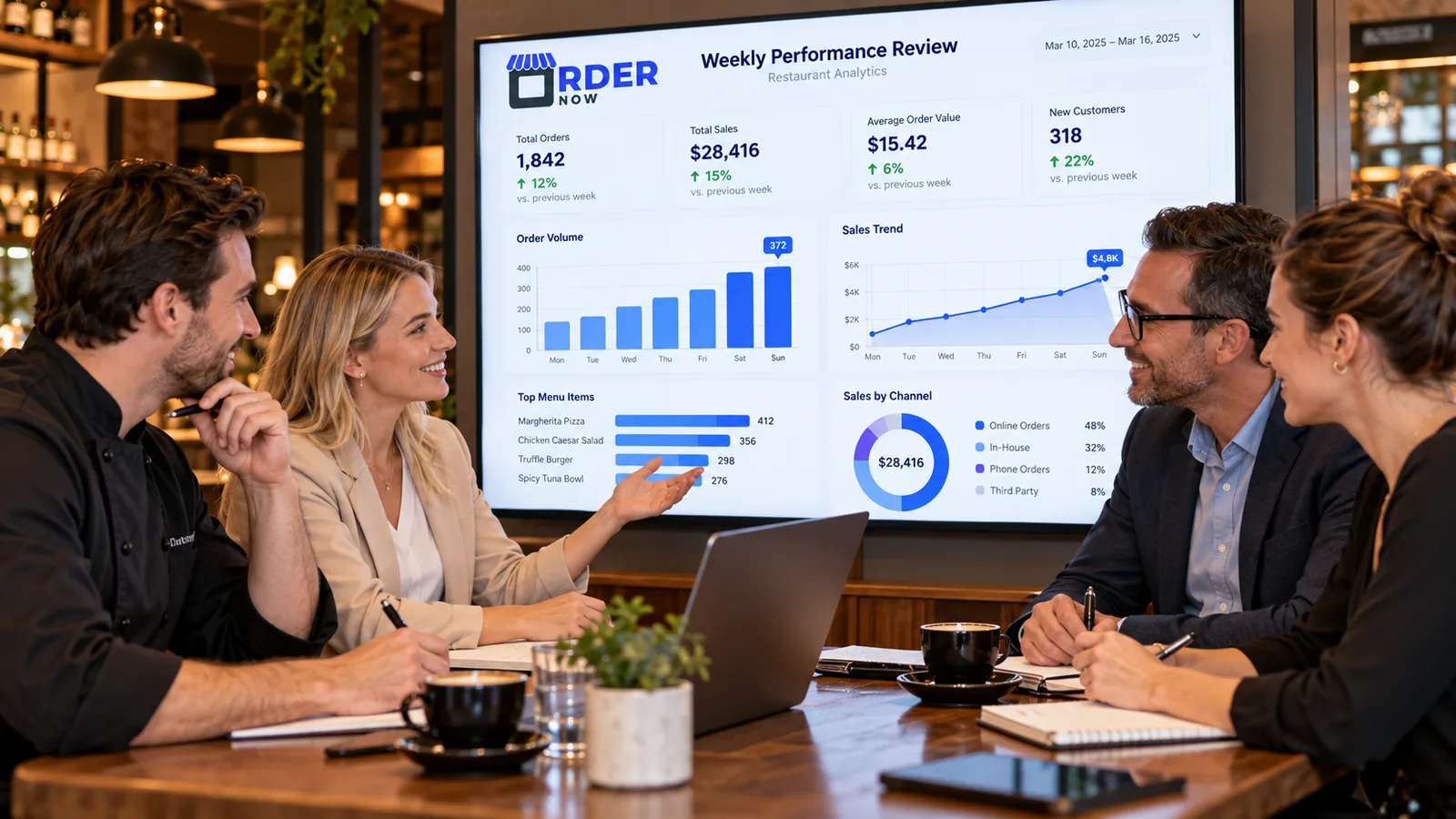
These answers stay intentionally concise. Product configuration can vary by plan, restaurant type and implementation.
It is software used to coordinate restaurant operations across a franchise network, including shared menus, outlet settings, permissions, POS/KOT workflows and group reporting.
Franchise environments often require more explicit separation between franchisor control and franchisee operating authority. Permissions, data visibility and brand standards become central requirements.
Multi-location configurations can support central menu templates and approved bulk updates while allowing selected outlet-level availability or settings.
Yes. Each outlet can use its configured POS, KOT/KDS and hardware setup while the brand maintains shared menu and reporting structures.
Role and permission structures can be configured to limit users to the information and locations appropriate to their responsibilities. Exact governance should be defined during implementation.
Share your business type, current setup and the operational problem you want to solve. The demo should start with that workflow instead of showing every module.