Match the daypart
Configure ordering around breakfast, lunch, dinner or late-night pressure.

New York City restaurant operations can change dramatically from one block, neighborhood or borough to another. A compact counter-service concept may serve commuters at lunch.
OrderNow gives New York City restaurants a connected platform for digital menus, ordering, POS, kitchen workflows, inventory, reservations and reporting. The software is cloud-based, the standard guest experience runs in the browser without an app download, and restaurants can choose the modules that fit their operation rather than adopting unnecessary complexity.
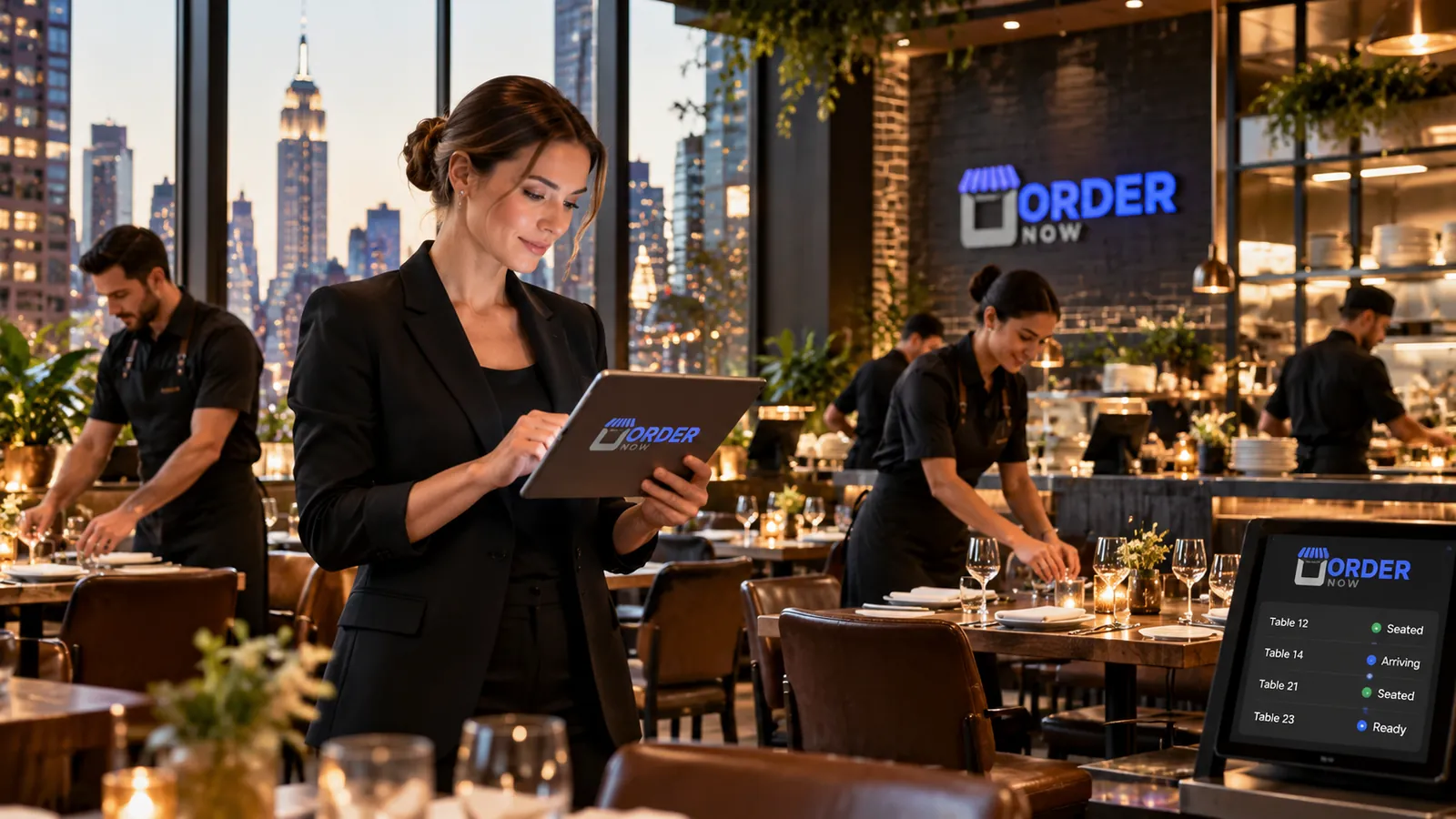
New York diners can choose from an enormous range of formats, cuisines and price points. Official NYC Restaurant Week programs regularly span all five boroughs, dozens of cuisines and many neighborhoods, which illustrates how fragmented and diverse the restaurant market is. That diversity creates a simple technology lesson: there is no single "New York restaurant workflow."
Keep the process understandable for guests and staff while carrying the details the operation actually needs.
Configure ordering around breakfast, lunch, dinner or late-night pressure.
Keep each order easy to identify in compact urban service.
Send clear modifiers and notes without adding another manual handoff.
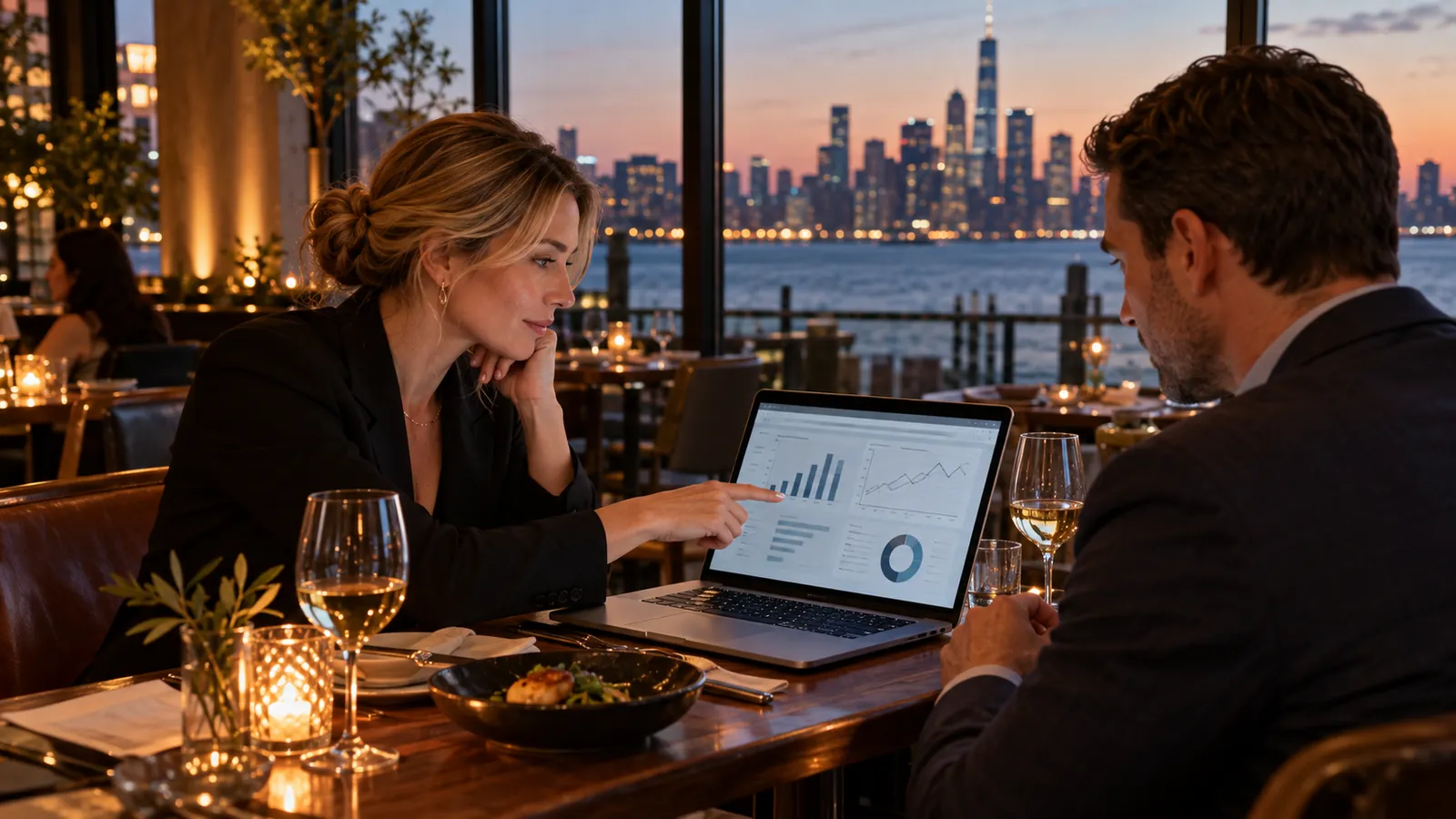
Compare dayparts and locations without treating every neighborhood the same.
OrderNow is modular. The strongest setup is not the one with the most features switched on. It is the one that removes unnecessary handoffs and keeps the team clear about what happens next.
New York restaurants often operate under intense constraints around time, space and labor. The highest-value software change is usually the one that removes a specific recurring bottleneck.
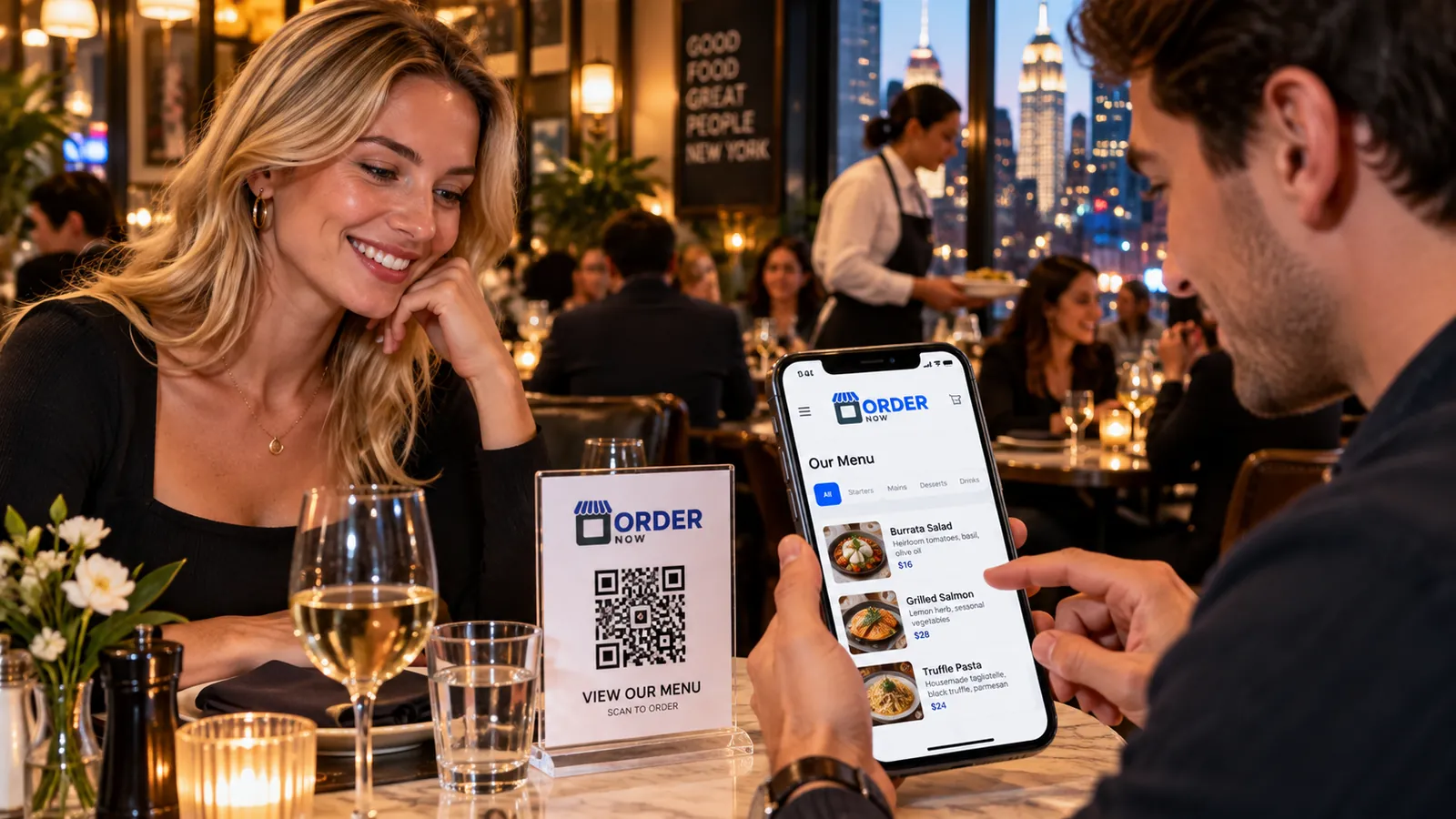
NYC menus can be tightly curated, seasonal, heavily modified or frequently updated. A static PDF can become frustrating when prices, items or availability change.
In busy NYC venues, the value of QR ordering is often timing.
Pickup can create operational friction when the collection point, cashier and dining-room flow compete for the same physical space.
A restaurant group operating in multiple NYC neighborhoods may want consistency without making every outlet identical.
New York restaurants can have radically different operating problems across the same day. A system configuration that works at 3 p.m. may feel slow at noon or 10 p.m.
Test the system against your hardest NYC daypart, your most complicated menu item and the physical space available for staff devices, pickup and kitchen hardware.
NYC operators should evaluate software against the real constraints of the venue: limited space, fast handoffs, changing dayparts and different service patterns by location.
Different restaurant formats need different combinations of guest experience, POS, kitchen, inventory and management controls.
Prioritize fast ordering, clear modifiers, pickup organization and a menu interface that does not slow the line.
Connect reservations, table context, staff-entered POS orders, KOT and reporting while preserving human service.
Support repeat ordering, food and drink coordination and kitchen visibility during high-volume evening periods.
Handle takeaway, modifier-heavy beverages, fast counter transactions and frequently changing availability.
These answers stay intentionally concise. Product configuration can vary by plan, restaurant type and implementation.
OrderNow provides a cloud platform that can include digital menus, restaurant ordering, POS, KOT and kitchen workflows, inventory, reservations, analytics and multi-location management depending on the selected setup.
Yes. The standard guest QR menu and ordering experience opens in a mobile browser without requiring a separate app download.
OrderNow does not charge a percentage commission on orders processed through the platform. Subscription pricing applies, and external processors or providers may charge their own fees.
Yes. Software configuration can be adapted to the restaurant's service model. A small venue may use only the modules that solve real operational constraints.
Yes. Multi-location configurations can support central menu controls, branch settings, permissions and comparative reporting.
Share your business type, current setup and the operational problem you want to solve. The demo should start with that workflow instead of showing every module.