Open the mobile menu
Guests reach the correct dining, bar, rooftop or hospitality menu quickly.

Miami restaurants operate in a market shaped by local culture, international visitors, hotels, nightlife, waterfront service and a dining scene that ranges from neighborhood cafes to high-end destination restaurants. Official Greater Miami tourism materials emphasize Latin and Caribbean influences alongside global cuisines, hotel restaurants, outdoor dining and distinct restaurant neighborhoods such as Miami Beach, Wynwood, the Design District, Downtown and Brickell.
For operators, that variety creates a practical requirement: restaurant technology must handle different service environments without making the guest experience complicated.
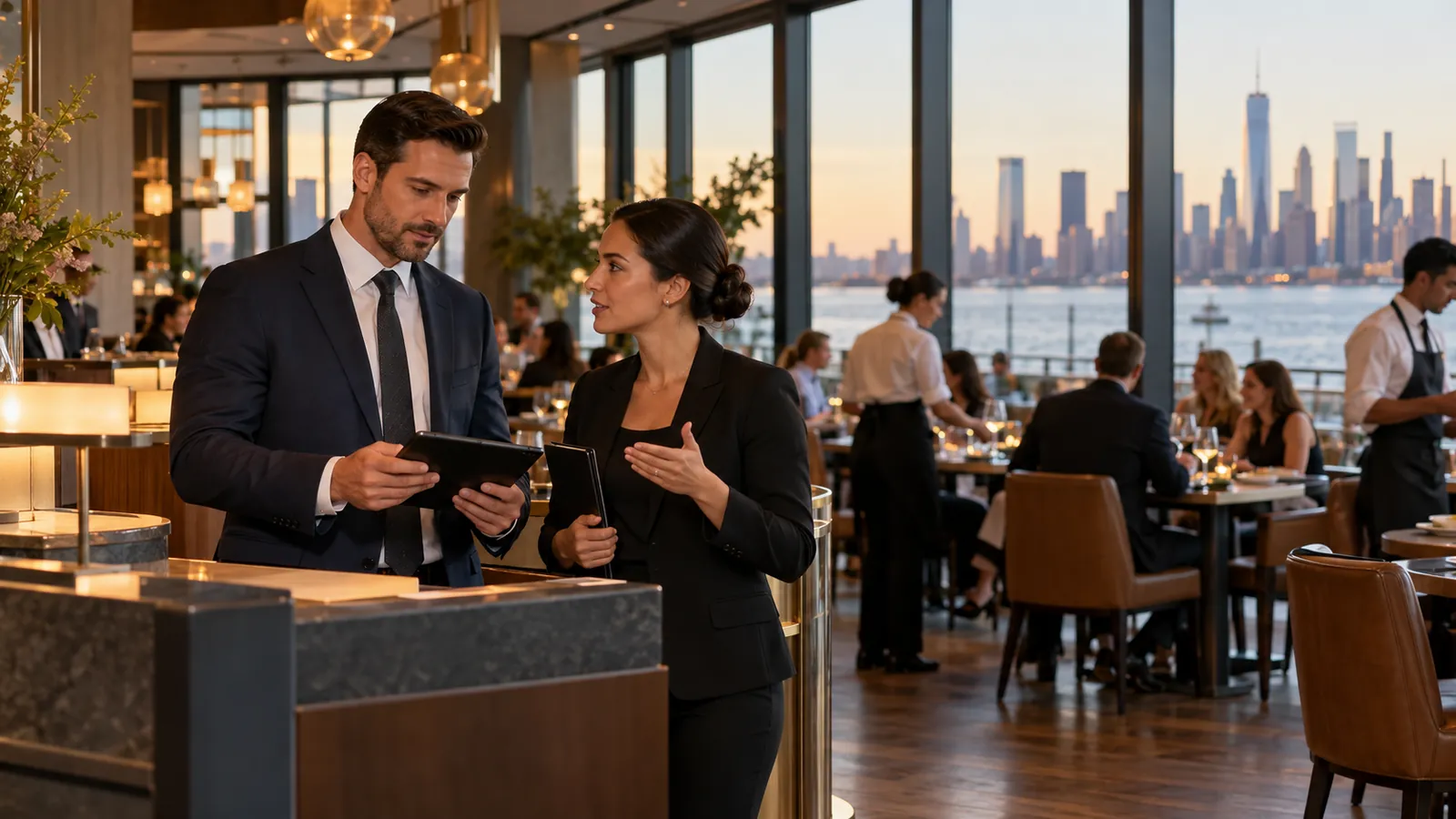
A restaurant in Miami may serve local regulars, domestic travelers and international visitors during the same service period. That makes menu clarity especially valuable.
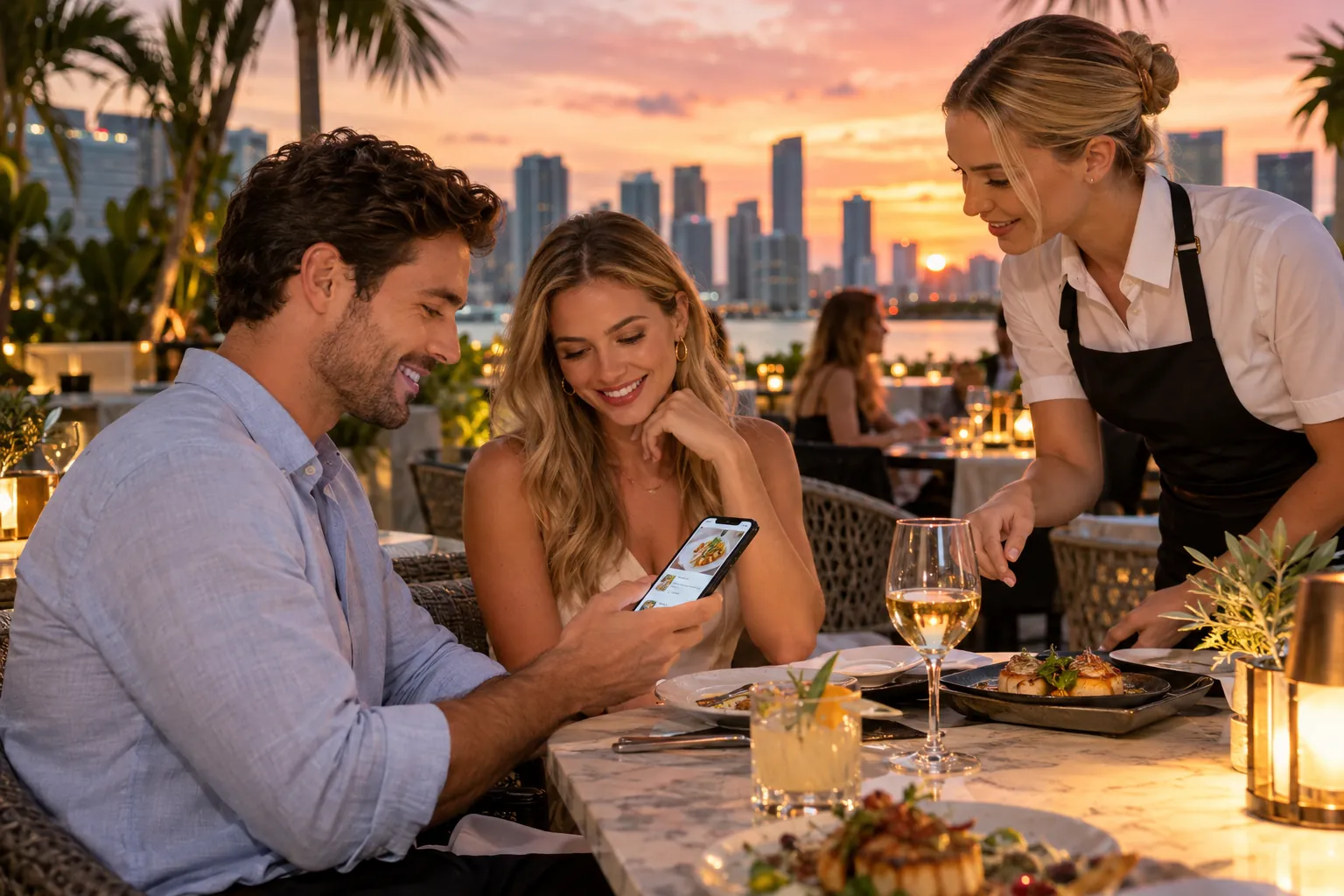
Keep the process understandable for guests and staff while carrying the details the operation actually needs.
Guests reach the correct dining, bar, rooftop or hospitality menu quickly.
Table, room, poolside or outdoor orders remain identifiable.
Food and beverage items route to the right preparation teams.
Managers compare locations and service zones without flattening local differences.

OrderNow is modular. The strongest setup is not the one with the most features switched on. It is the one that removes unnecessary handoffs and keeps the team clear about what happens next.
Miami's culinary diversity includes dishes and ingredients that may be unfamiliar to some guests.
Miami's restaurant environment includes patios, rooftop spaces, pool areas, hotel restaurants and nightlife venues where service may extend beyond a traditional dining room.
Miami's hotel dining market is significant, with many destination restaurants located inside major hospitality properties.
Miami venues may combine food, cocktails and late-night service in one guest experience.
Restaurant groups operating across Miami neighborhoods or hotel properties need to balance standardization with local differences.
Miami includes many restaurants where guests plan dinner in advance, particularly for high-demand dining rooms, special occasions and nightlife-oriented venues.
Test menu clarity, bar-to-kitchen routing, outdoor service zones and any hotel or room-service workflow you actually operate. Include a late-night service scenario if it matters to your venue.
Miami hospitality can span several service zones and preparation teams. Keep the guest's location, order context and bar or kitchen routing visible from the first selection to final handoff.
Different restaurant formats need different combinations of guest experience, POS, kitchen, inventory and management controls.
Use detailed item descriptions and structured modifiers while keeping the restaurant's cuisine authentic.
Connect dining-room operations with room, poolside or other configured hospitality ordering.
Coordinate bar and food ordering, repeat requests and high-volume evening service.
Use location-aware ordering where it improves service across larger seating areas.
These answers stay intentionally concise. Product configuration can vary by plan, restaurant type and implementation.
OrderNow can combine digital menus, restaurant ordering, POS, KOT/KDS, inventory, reservations, analytics and multi-location management depending on the selected modules.
Yes. OrderNow supports room-service and configured guest-area ordering scenarios in addition to restaurant operations.
OrderNow can support menu translation capabilities according to the selected setup. Restaurants should maintain accurate source content and verify translations for important culinary terms.
Yes. The standard guest menu and ordering experience opens in the browser from a QR code or direct link.
Yes. QR codes can be associated with tables or configured service areas so orders carry useful location context.
Share your business type, current setup and the operational problem you want to solve. The demo should start with that workflow instead of showing every module.