Make the menu easy to understand
Use clear descriptions and structured options for diverse cuisines.

Jersey City's restaurant market combines waterfront dining, neighborhood restaurants, cafes, bars and a wide range of international cuisines within a relatively compact urban environment. Official destination materials highlight distinct dining areas such as the Waterfront and Exchange Place, Journal Square and Grove Street, each with different customer patterns and restaurant formats.
That makes local restaurant software less about adding every possible feature and more about choosing the right workflow for the venue. A waterfront full-service restaurant may care about reservations, table service and evening demand.
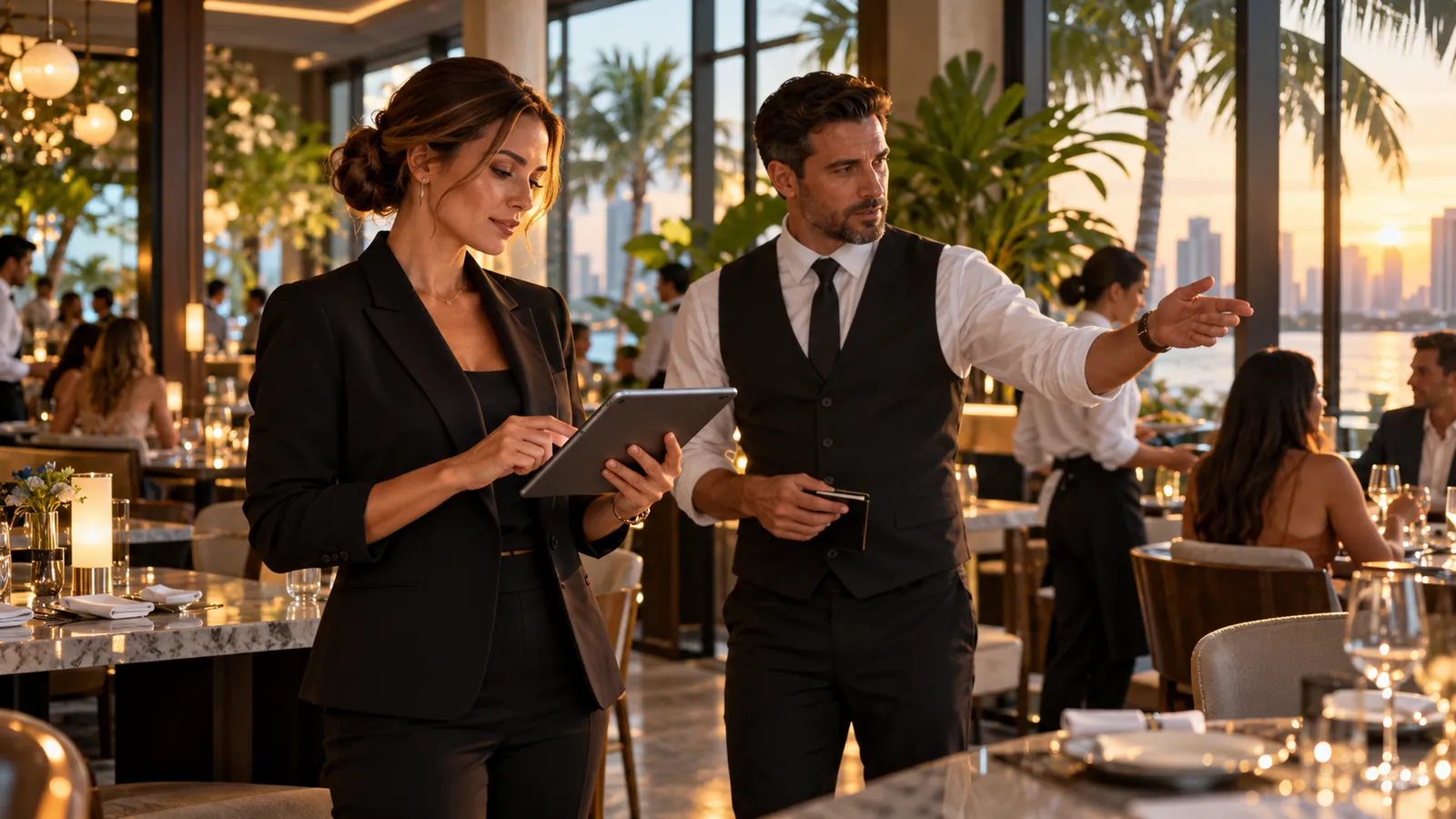
Jersey City benefits from proximity to New York, but its restaurant environment has its own neighborhoods, local audience and operating realities. A useful restaurant-software strategy should not treat Jersey City as simply a cheaper version of Manhattan. The city supports waterfront destination dining, commuter-oriented service, neighborhood restaurants, global cuisines, cafes and nightlife.
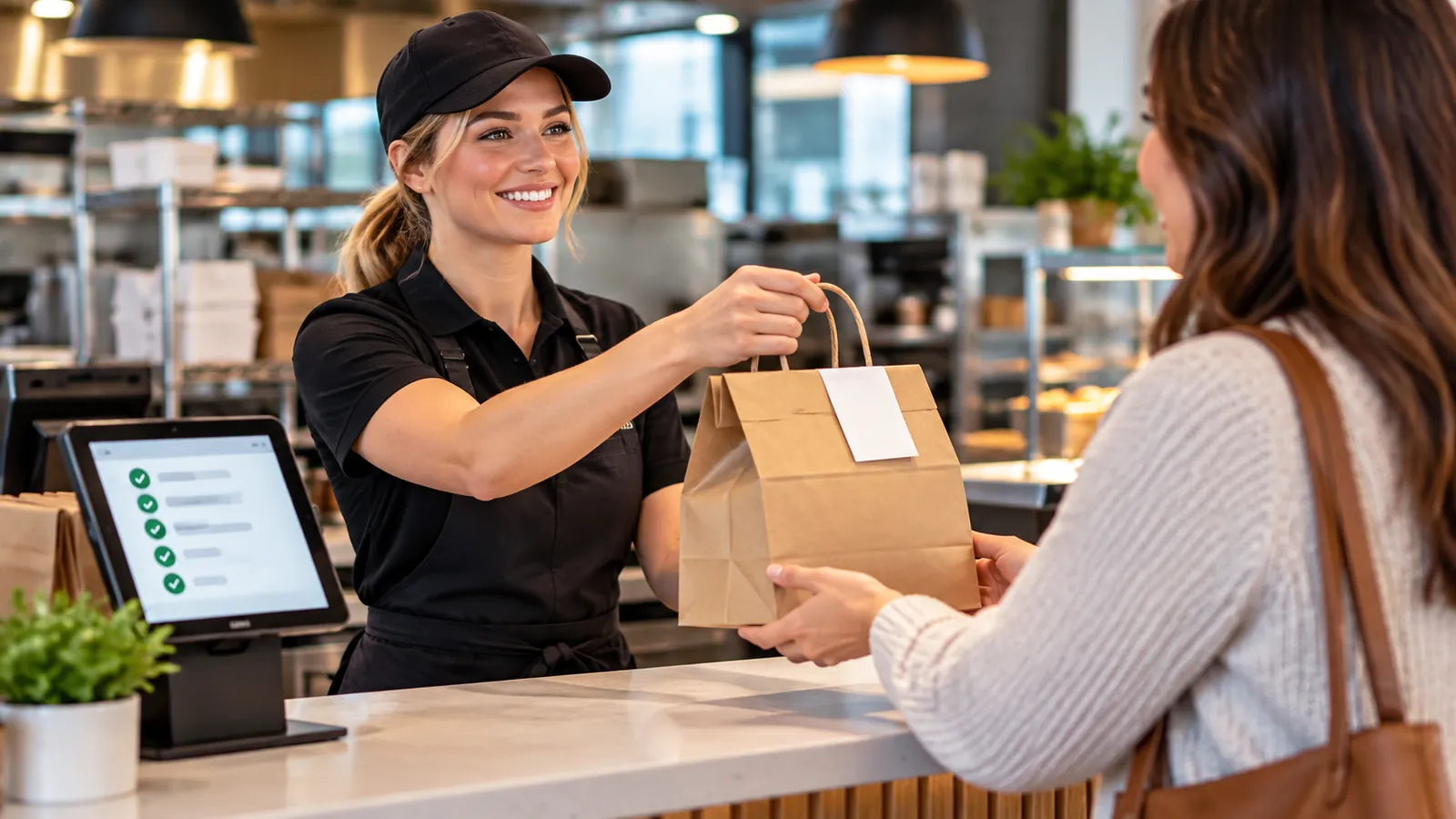
Keep the process understandable for guests and staff while carrying the details the operation actually needs.
Use clear descriptions and structured options for diverse cuisines.
Keep commuter pickup distinct from table service.
POS and KOT carry the same order details into preparation.
Compare lunch, evening, weekend and neighborhood demand patterns.

OrderNow is modular. The strongest setup is not the one with the most features switched on. It is the one that removes unnecessary handoffs and keeps the team clear about what happens next.
Jersey City's dining scene reflects a broad mix of cuisines. Some menus require more explanation than others, especially for guests unfamiliar with regional dishes or preparation styles.
Jersey City restaurants may serve local residents, office workers, commuters and visitors within the same week.
Jersey City's Grove Street, Newark Avenue and waterfront areas include restaurants and bars where guests may stay for multiple rounds.
Space matters in Jersey City restaurants, particularly in compact urban venues.
Some Jersey City restaurants operate as destinations because of waterfront views, special-occasion positioning or nightlife demand.
Restaurants with seasonal dishes, fresh seafood, daily specials or frequently changing ingredients need a practical way to update availability.
Test the restaurant's real physical footprint, pickup handoff, most complex dish and busiest service period. If you operate more than one location, include a central-control scenario.
Compact restaurants need clear information without extra hardware clutter. The workflow should make pickup, table service, modifiers and kitchen handoff easier to understand inside the space you actually have.
Different restaurant formats need different combinations of guest experience, POS, kitchen, inventory and management controls.
Prioritize reservations, table service and evening operations.
Use clear descriptions, structured modifiers and takeaway.
Keep daytime speed and repeat evening service flexible.
Centralize standards while preserving branch-level operations.
These answers stay intentionally concise. Product configuration can vary by plan, restaurant type and implementation.
OrderNow can provide digital menus, ordering, POS, KOT/KDS, inventory, reservations, analytics and multi-location tools based on the restaurant's selected modules and setup.
Yes. OrderNow can support configured takeaway and pickup ordering through a web-based guest experience.
No. The standard guest menu and ordering experience opens in the phone browser from a QR code or direct link.
Yes. Restaurants can organize categories, descriptions, modifiers, add-ons and other item information to make detailed menus easier to browse and order.
OrderNow does not charge a percentage commission on orders processed through the platform. Subscription fees apply, and external providers may have separate charges.
Share your business type, current setup and the operational problem you want to solve. The demo should start with that workflow instead of showing every module.