Capture complex choices
Structure proteins, sides, sauces, sizes and other menu decisions.

Houston restaurants operate across one of the country's most varied culinary environments. The city's official tourism organization highlights its global food culture, from neighborhood restaurants and international cuisines to chef-driven dining, nightlife and major hospitality experiences.
A restaurant serving customizable regional dishes may need detailed modifiers and kitchen notes. A busy bar may care about repeat table ordering.
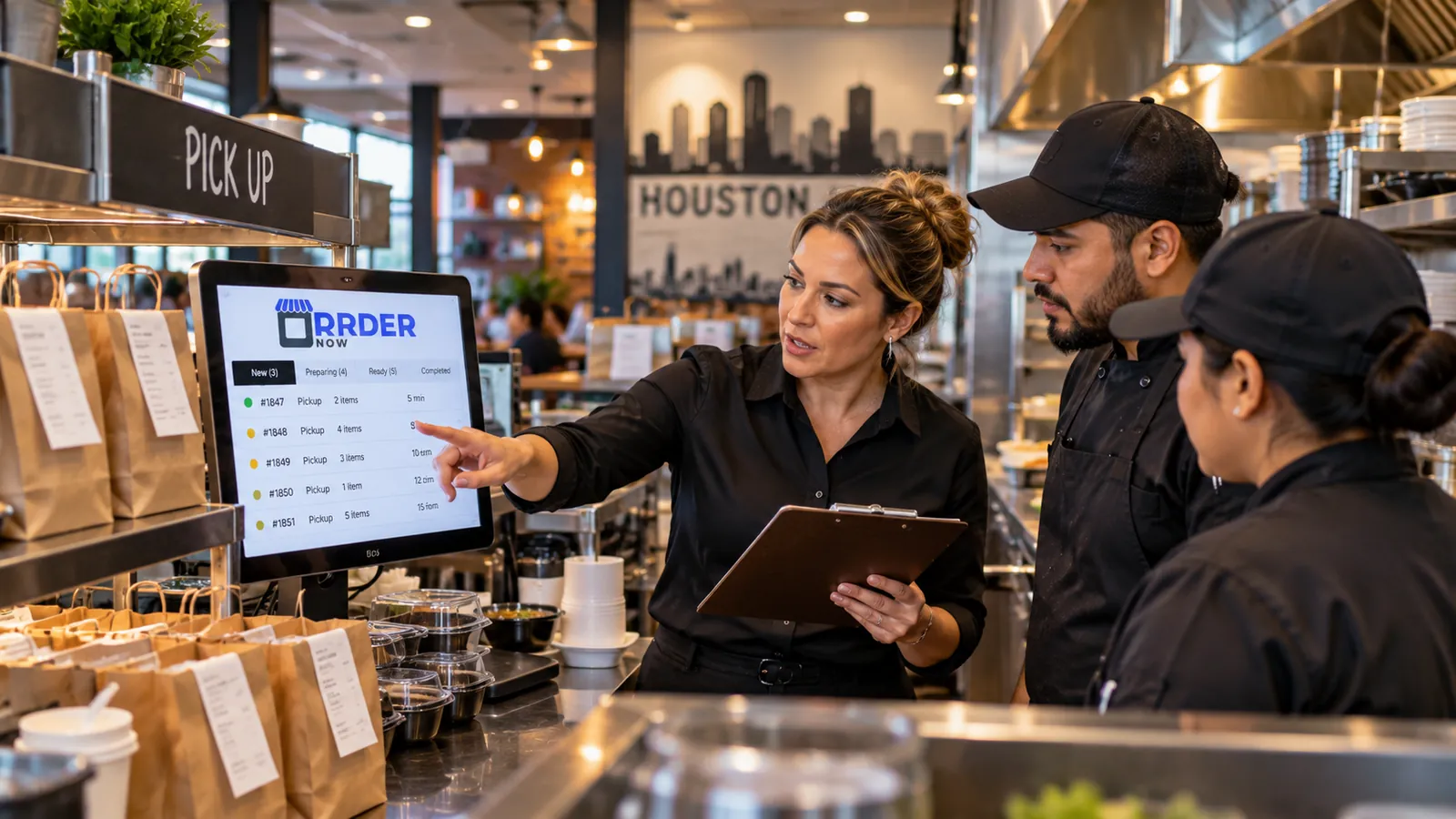
Houston's dining scene includes everything from fast counter service and barbecue to international restaurants, upscale dining, bars and event-oriented hospitality. Those concepts may share technology, but they do not share the same workflow. The software should be judged by the restaurant's hardest operating moment.
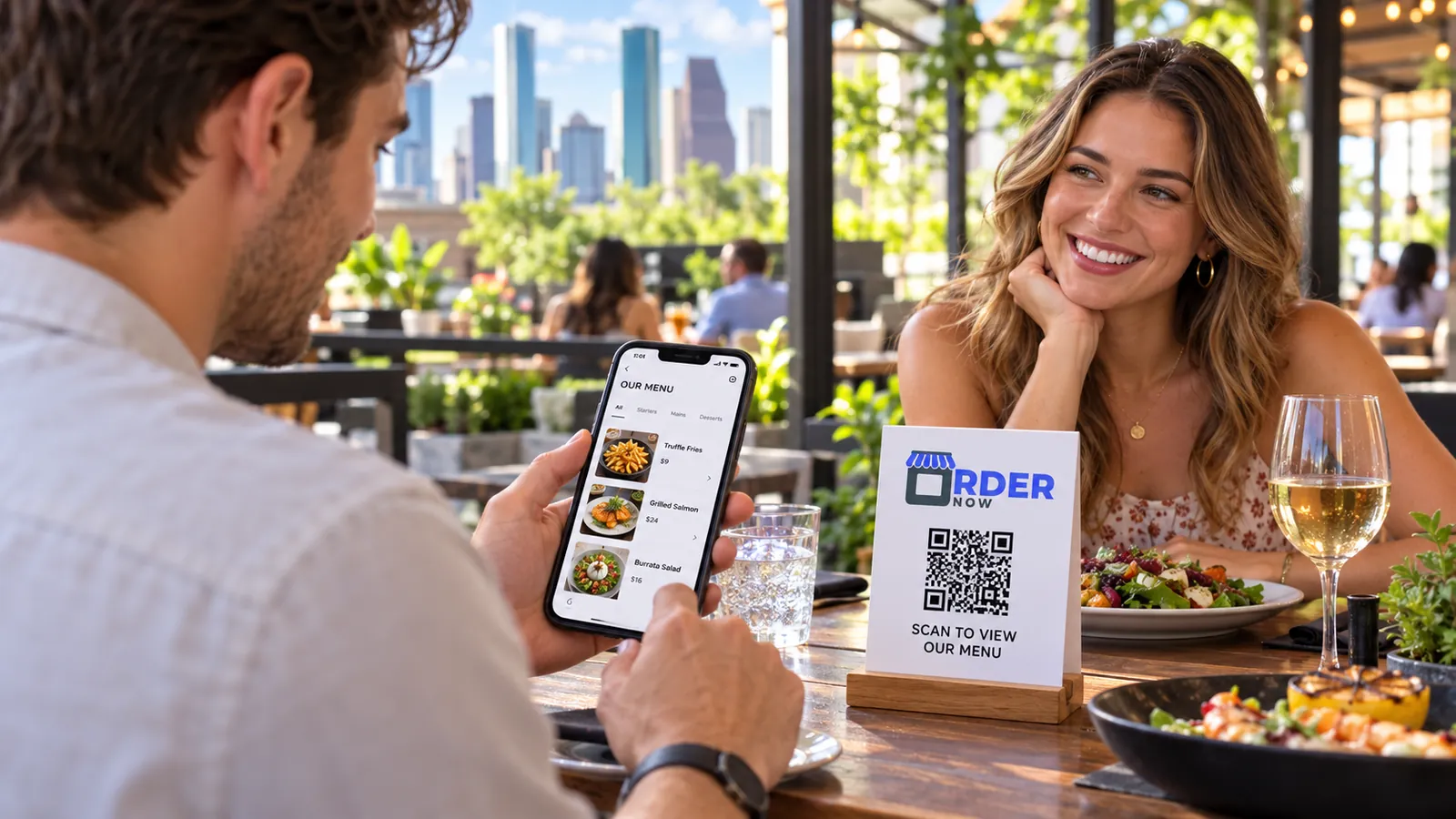
Keep the process understandable for guests and staff while carrying the details the operation actually needs.
Structure proteins, sides, sauces, sizes and other menu decisions.
Keep dine-in, pickup and planned large orders easy to identify.
Send relevant items to the right kitchen or bar preparation area.
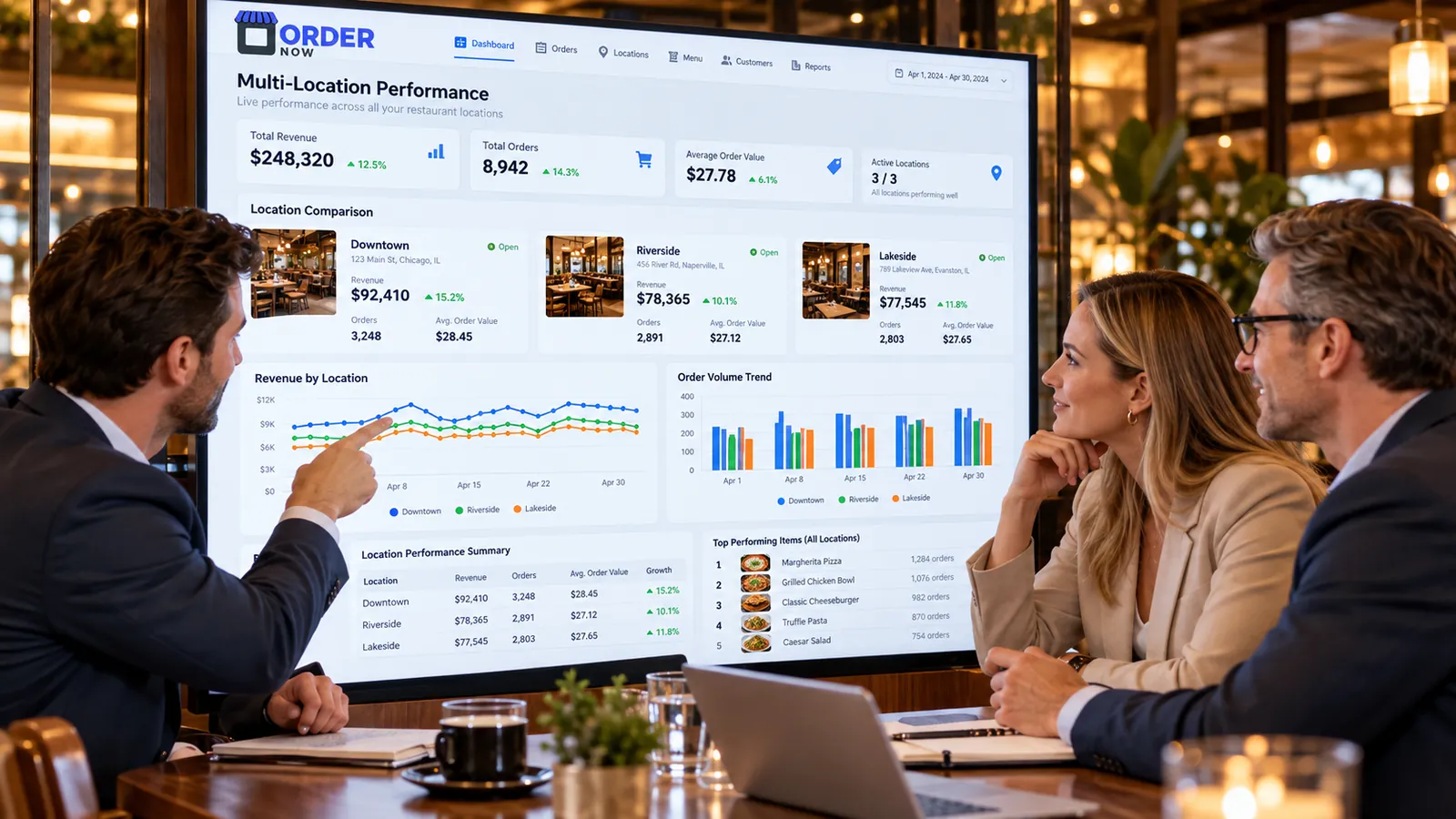
Use shared reporting while preserving outlet-specific service patterns.
OrderNow is modular. The strongest setup is not the one with the most features switched on. It is the one that removes unnecessary handoffs and keeps the team clear about what happens next.
Houston's global food culture means many restaurants serve dishes with meaningful customization: spice level, protein choice, sides, sauces, toppings, cooking style, portion size or combination options.
Houston's geography means many restaurant visits begin with a drive. Direct pickup can therefore be an important first-party service option for restaurants that already attract customers through their own website, social profiles and local reputation.
Table QR ordering can be valuable in Houston bars, casual restaurants, patios and other venues where guests make repeated orders.
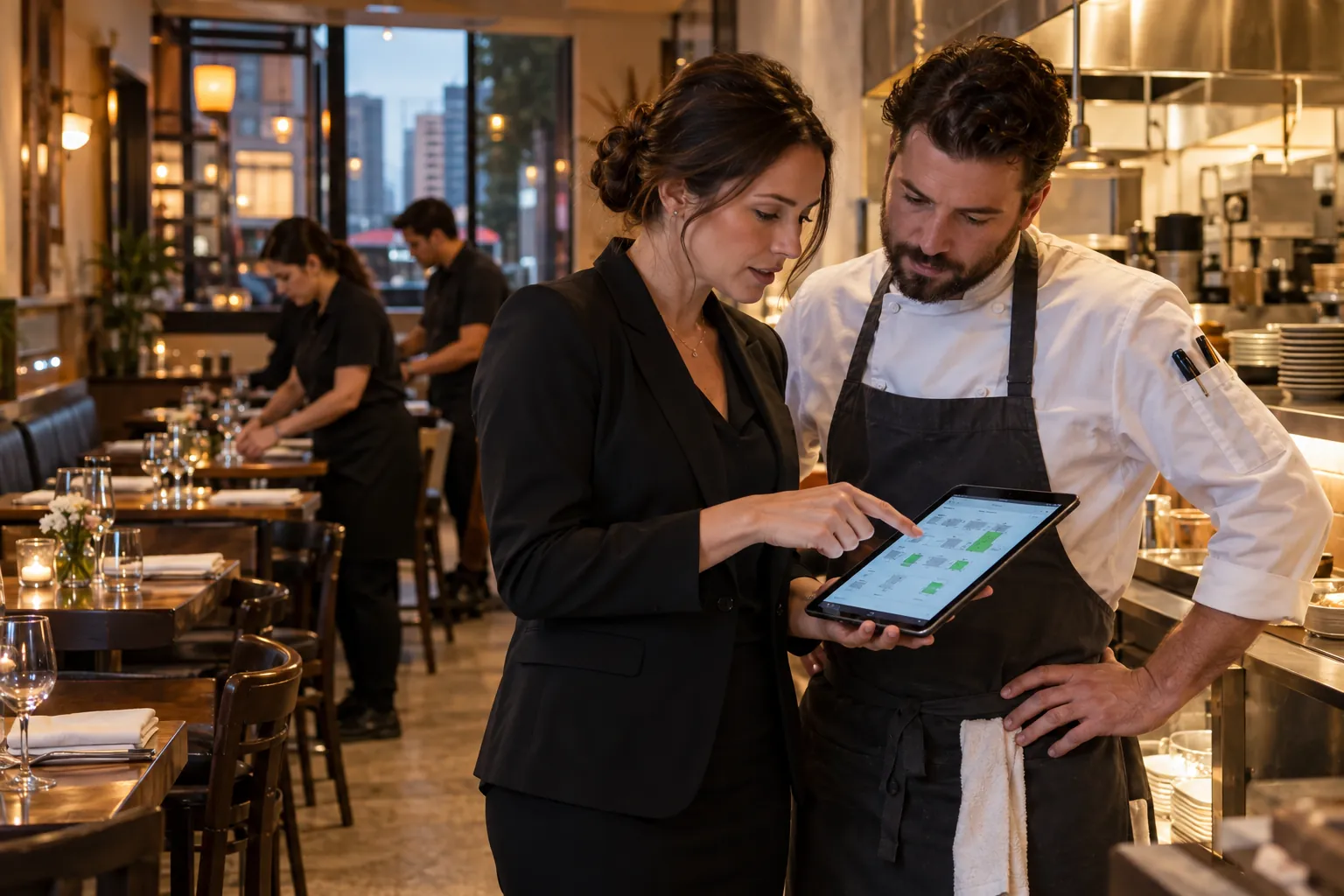
Houston restaurants with large menus or multiple preparation areas need order information to move cleanly from front-of-house to kitchen.
Restaurants with broad menus can carry many ingredients, recipes and supplier dependencies.
A local restaurant group may operate across very different Houston neighborhoods or suburbs. Central management needs enough consistency to compare locations without assuming they are identical.
Test a complex item, a peak pickup period and a multi-station kitchen order. If you operate several locations, compare how central controls and local differences work.
Houston restaurants often need several service patterns to coexist. Keep dine-in, pickup and location context visible so the kitchen and management team can act without guessing.
Different restaurant formats need different combinations of guest experience, POS, kitchen, inventory and management controls.
Connect table context, reservations, staff-entered orders, kitchen routing and reporting.
Keep order entry fast, handle sides and portion options clearly and organize takeaway or pickup flow.
Use structured modifiers and clear digital descriptions for complex dishes and customization.
Support repeat table ordering and clearer food-versus-bar preparation workflows.
These answers stay intentionally concise. Product configuration can vary by plan, restaurant type and implementation.
OrderNow can combine digital menus, ordering, POS, KOT and KDS, inventory, reservations, analytics and multi-location management depending on the restaurant's selected setup.
Yes. Configured direct ordering can support takeaway and pickup workflows through a web-based guest experience.
OrderNow charges 0% commission on orders processed through its platform. Subscription fees apply, and external payment or service providers may charge separately.
Yes. Restaurants can configure variations, options and add-ons so common item choices are captured in a structured format.
Yes. Multi-location configurations can provide centralized controls and group reporting while each outlet retains relevant operating settings.
Share your business type, current setup and the operational problem you want to solve. The demo should start with that workflow instead of showing every module.